MPA Program Director Reflects on Public Policy Research Passion
Faculty Spotlight: Meet Dr. Allyson Holbrook, UIC Professor and new MPA Program Director Heading link
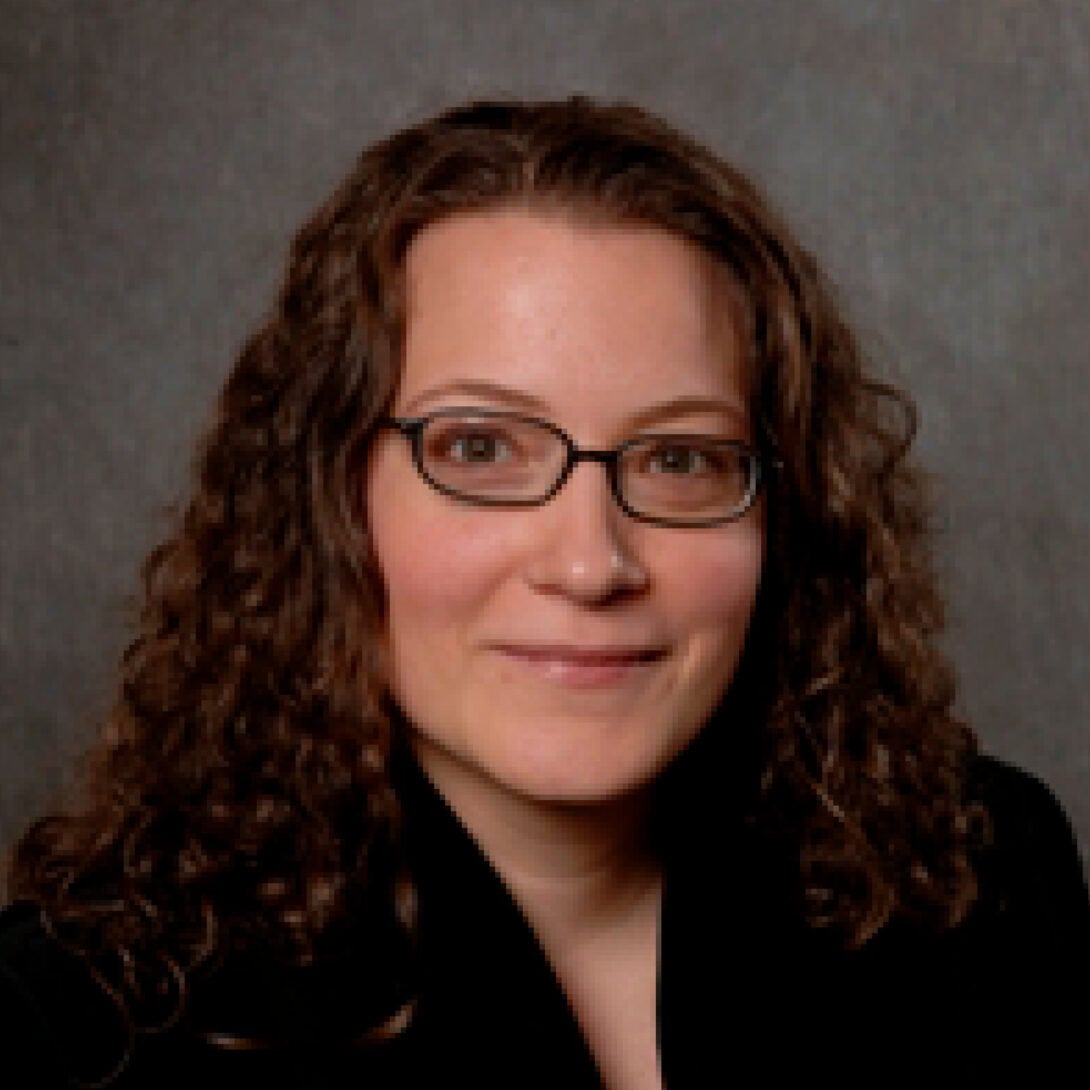
Meet UIC’s new Master of Public Administration (MPA) program director, Dr. Allyson Holbrook. Since joining UIC over 20 years ago, Dr. Holbrook has developed her courses to reflect her passion for research in public policy and the role of public opinion.
Working with the UIC College of Urban Planning and Public Affairs (CUPPA) team to get the online MPA program up and running, Dr. Holbrook is looking forward to her new role working with students who are seeking to become leaders in the public sector and their ambition to drive meaningful change.
Learn more about Dr. Holbrook’s instruction and research in the MPA program, as well as what she is looking forward to taking on her role as the new program director.
Tell us a little about yourself. What is your work/educational background? What keeps you excited about the public policy field?
My undergraduate degree is in political science and psychology, and my master’s degree and PhD is in social psychology, with a focus on political psychology. I’m particularly interested in measuring public opinion about public policy issues and the role of public opinion in the policy-making process.
My ongoing research keeps me excited. My current project is trying to better understand what the public knows and thinks about public opinion surveys and how they’re conducted. I’m researching how the public’s knowledge and perception impacts their beliefs about the role of surveys in the democratic process and their willingness to participate.
As the new program director for the MPA program, what are you most looking forward to in this new role?
I’m excited to get to know the students and their goals better. Although I teach a core course in the MPA program, I look forward to thinking more globally about what students need and how to best provide them with key knowledge and skills.
I’m also looking forward to bringing the MPA program online. I think it will make the degree more accessible to students who might not be able to travel to UIC’s campus because of lack of transportation, geographic location, or family or work demands.
Are you teaching any courses for the online MPA program? If so, can you tell us what are the valuable skills/knowledge students will develop?
I am currently in the process of developing the online PA 402: Principles of Data Analysis course. This class gives students critical thinking skills and encourages them to think about the role of data in the public sector, which is an increasingly in-demand skill for public servants.
Are there any projects or real-world applications associated with the PA 402: Principles of Data Analysis course?
In terms of real-world projects, students are expected to find a data source, such as from academic archives or from government sources like Chicago’s data portal, and do a final project that reports on analysis of this data. Students can choose to do this assignment in whatever policy or specialization area they choose.
I have had students do projects looking at how access to fresh produce via farmer’s markets varies across neighborhoods in Chicago, how mental and physical health in prisons compares to the non-incarcerated population, and what factors predict whether a crime like automobile theft results in an arrest. These projects are designed to allow students to take the abstract analysis skills they have learned in class and apply them in a policy area of interest.
What skills will students learn/develop in their online MPA courses that will be useful in building their careers?
I’ve learned that being able to understand and work with diverse groups of people is perhaps the most important skill for a career in public administration. Our online MPA students will learn from a diverse group of peers since they will come from all over the country with different backgrounds, views, and perspectives.
Our students learn critical thinking skills, communication skills, and an understanding of the importance of diversity and inclusion. The unique thing about the MPA is that students will learn how to apply these skills in public management, policy making, and government.
The 100% online Master of Public Administration program prepares students for public service careers in government at the federal, state, and local levels, as well as for careers in nonprofit organizations, research and policy institutes, and other agencies devoted to meaningful societal change. Talk to an enrollment specialist today to learn more about the program.